


Address:
26400 Kuykendahl Rd. Suite A190
The Woodlands, TX 77375


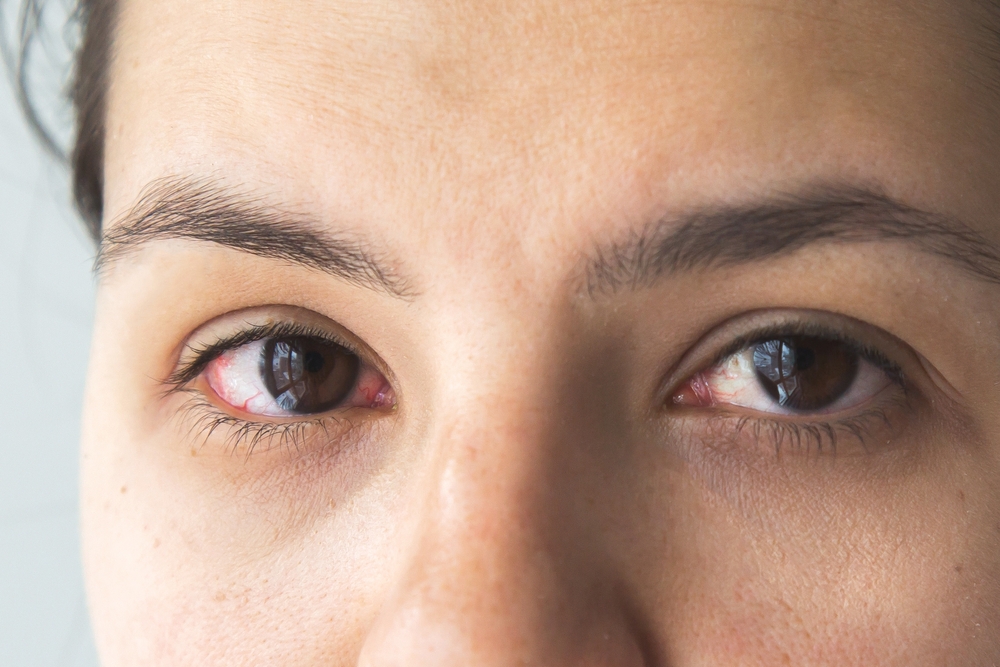
Dry eye is not always caused by the same problem. For some patients, inflammation is interfering with healthy tear production. Others have poorly functioning meibomian glands or blinking problems that prevent tears from spreading properly across the eyes. That is why advanced dry eye treatment in The Woodlands should begin with a thorough evaluation rather than a one-size-fits-all approach.
IPL, LLLT, and Lumenis OptiLIFT address different factors that may contribute to persistent dry eye symptoms. Understanding these differences can help explain why we may recommend one therapy or a combination of treatments.
Intense Pulsed Light, or IPL, is commonly used when inflammation and meibomian gland dysfunction contribute to evaporative dry eye. Light energy is applied around the eyelid area to help reduce inflammation and support healthier oil gland function.
At our office in The Woodlands, IPL may be considered for patients whose symptoms include burning, redness, fluctuating vision, irritation, or poor-quality oils from the meibomian glands. Improving these oils can help slow tear evaporation and create a more stable tear film.
Low-Level Light Therapy, or LLLT, uses controlled light energy to support cellular activity and meibomian gland function. It is a gentle, noninvasive treatment that can complement other dry eye therapies.
LLLT may be helpful when blocked or underperforming oil glands are contributing to symptoms. Depending on the findings from your dry eye evaluation, we may use light-based treatments together to address multiple aspects of ocular surface health.
Potential reasons we may consider IPL or LLLT include:
Lumenis OptiLIFT takes a different approach. Instead of primarily targeting inflammation or the oil glands, OptiLIFT uses Dynamic Muscle Stimulation technology to activate and condition muscles around the eyes.
Healthy blinking is important because every complete blink spreads tears across the ocular surface and helps the meibomian glands release protective oils. When lower eyelid laxity or ineffective blinking interferes with this process, tear film stability can suffer.
For patients in The Woodlands with impaired blinking or lower eyelid laxity, OptiLIFT may help address an underlying mechanical factor that traditional dry eye treatments do not directly target.
Choosing between IPL, LLLT, and OptiLIFT depends on what is causing your dry eye. We evaluate the tear film, blinking patterns, eyelids, and meibomian glands before recommending treatment. Advanced testing, including meibography, can give us a closer look at gland structure and function.
Some patients may benefit primarily from inflammation-focused treatment, while others need support for their meibomian glands or blinking mechanics. In certain cases, combining therapies may provide a more comprehensive approach to dry eye care.
If dry, burning, irritated, or watery eyes are affecting your daily comfort, schedule a dry eye evaluation with Creekside Family Eyecare in The Woodlands, TX at (832) 559-3861 to find out which advanced dry eye therapy may be right for you.


